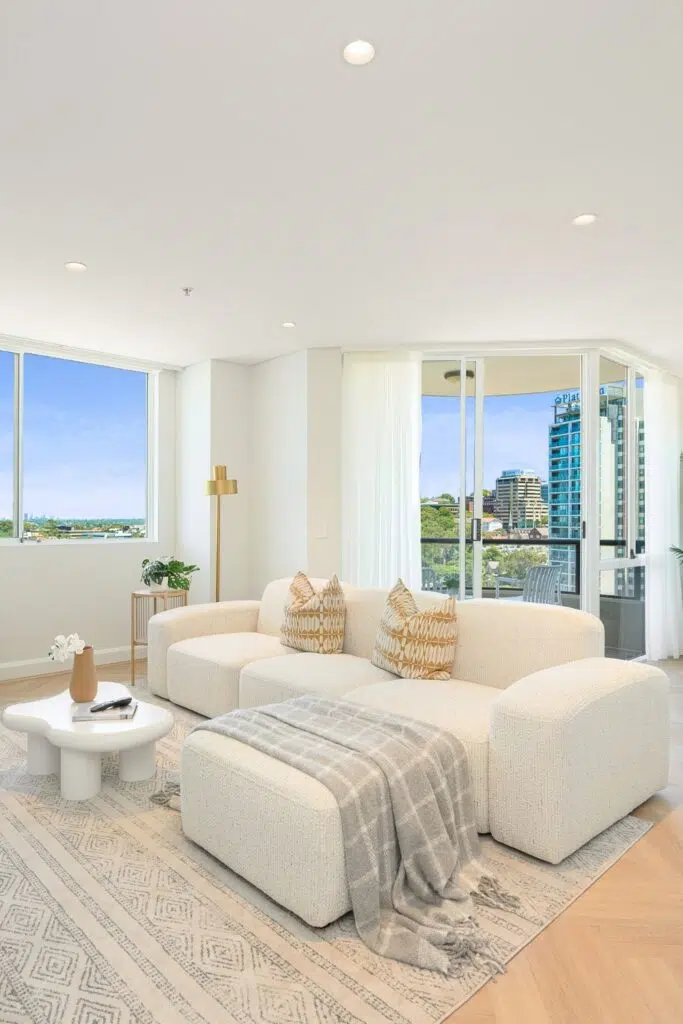

In short: for coffee table wood vs glass pros cons, wood feels warm and forgiving, glass looks airy but shows marks, and metal is slim and tough to wipe down. With kids or pets, rounded timber or powder‑coated metal is usually easier to live with than glass. Renters often favour lighter pieces and easy cleaning to suit frequent moves across Australian homes.
What are the day-to-day cleaning and maintenance differences?
If you’re choosing a coffee table for real life in Australia—think sandy feet, red wine, sunscreen and a quick Sunday tidy—maintenance matters as much as looks. Here’s how the three common materials compare in everyday care.
- Wood (solid timber or veneer): Hides fingerprints and dust better than glass. A soft microfibre wipe, occasional gentle cleaner and coasters for hot mugs keep it looking its best. Timber can develop character over time; light wear may blend in, but deep water rings or heat marks can be harder to remedy, so coasters and placemats help. Keep out of direct, harsh sun where you can to reduce the risk of fading.
- Glass: Visually light and great at bouncing daylight, but it shows smudges, paw prints and dust quickly. Expect more frequent wiping with glass-cleaner or diluted vinegar and a lint‑free cloth. Glass can scratch if grit gets dragged across it—pop felt pads under accessories and avoid sliding pottery or stone decor.
- Metal (steel or aluminium, often powder‑coated): Generally the most wipe‑and‑go option. A damp cloth handles spills; avoid abrasive pads. Fingerprints may show on bare or brushed metal, less so on matte powder‑coats. If you’re near the coast, a covered spot and regular dusting help reduce salt build‑up.
For renters, removable felt glides protect floors when rearranging, and a light, compact table is simpler to move between homes. If you like to style with trays or books, wood and metal are forgiving; glass looks crisp but rewards a tidy, less cluttered approach.
Ready to compare shapes and finishes? Browse Ele Living’s coffee tables for ideas you can tailor to your space.
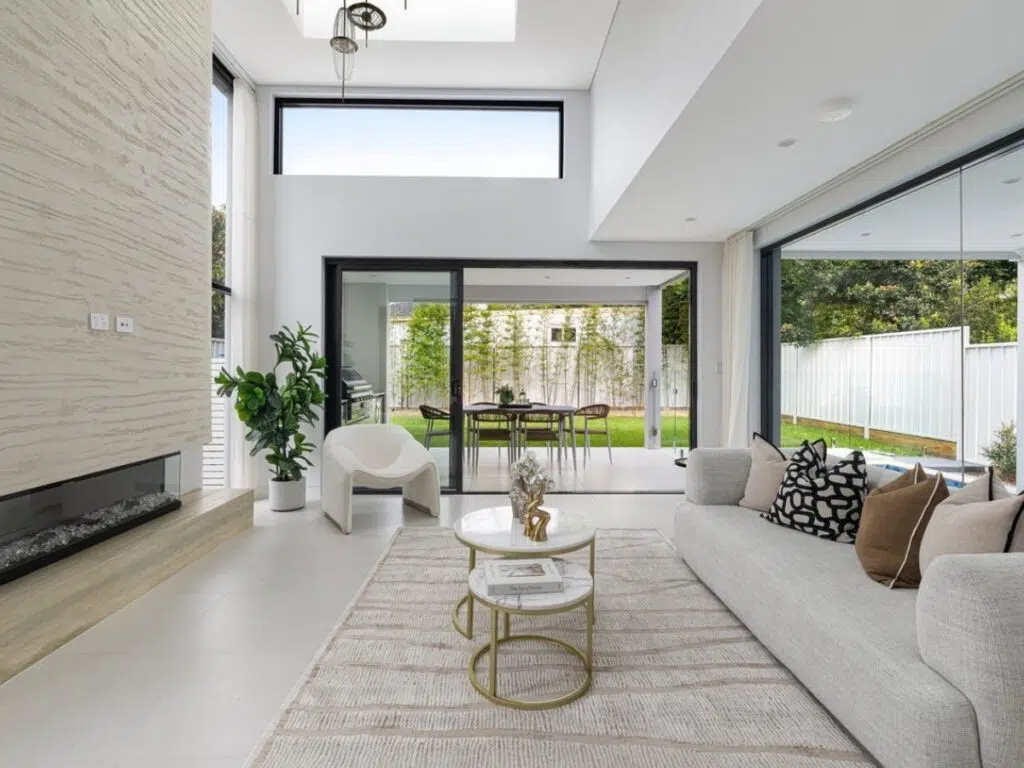
How do touch and safety compare for homes with kids or pets?
Texture, temperature and edge profiles affect how a table feels—and how confidently you can relax around it.
- Wood: Naturally warm to the touch and quieter under mugs and toys. Rounded edges and softer corners are common and family‑friendly. Surface dents are possible if something heavy drops, but subtle marks often read as patina rather than damage.
- Glass: Cool and sleek. The visual lightness is brilliant in compact living rooms, yet the surface is hard and unforgiving—knocks can be noisy and chips are possible at the edges. If you’re considering glass, look for rounded profiles and always check product details with the retailer regarding the type of glass used and care guidance.
- Metal: Stable and durable, especially in powder‑coated finishes that soften the feel. Corners vary by design; rounded forms reduce bump risks. Metal won’t mind craft sessions or plant pots as much, though use coasters to prevent ring marks or micro‑scratches.
For small children or energetic pets, a low, rounded wood or metal table is typically the least stressful option. If you love the airiness of glass, consider an oval top to reduce sharp corners and keep the surface clear—fewer decorative objects means fewer tipping temptations.
Which look works with my lounge — and how do I match it in a rental?
Styling is about balance: contrast texture with texture, and echo one or two finishes across the room for calm cohesion.
- Wood: Brings warmth and a grounded, welcoming feel—handy in open‑plan Australian homes. Pair a mid‑tone timber table with a pale fabric sofa to anchor the seating, or use a light oak top to soften a dark leather lounge. Echo the timber in a picture frame or a lamp base rather than matching every piece.
- Glass: Best for keeping small rooms open and bright. A glass top lets you enjoy a statement rug without visual clutter. Add softness with a fabric ottoman, a textured throw on the sofa, or a timber tray to prevent it feeling too minimal.
- Metal: Great in contemporary or industrial schemes. Matte black frames tie in with window hardware and floor lamps; brushed brass adds a subtle glow. Warm the look with natural elements—timber bowls, linen coasters, or a leafy plant.
In rentals, avoid drilling or permanent changes and let furniture do the heavy lifting. If your landlord’s carpet or tile colour isn’t your favourite, choose a table that contrasts clearly (e.g., light oak on dark carpet, glass above a colourful rug) so it looks intentional. Build a simple palette around your seating: coordinate a timber table with matching legs on sofa lounges, or echo a metal base with the frame of nearby armchairs.
Coffee table wood vs glass pros cons: which suits Australian homes?
Use these quick cues to decide, then refine by size and shape.
- Choose wood if you want a forgiving surface that hides everyday fingerprints, a cosy feel for winter evenings, and softer corners for family living. Great with textured rugs and fabric lounges.
- Choose glass if you need to visually open a compact living room or showcase a beautiful rug. Expect more frequent wiping and take extra care with edges and impact.
- Choose metal if low‑maintenance durability and a slim, modern profile are top priorities. Add timber or textile accents to avoid a scheme that feels cold.
Still undecided? A mixed‑material table (for example, timber top with a metal base) can deliver the best of both—warmth above, lightness below. When you’re ready to compare real pieces, you can explore our coffee tables to assess finishes and forms side by side in your shortlist.
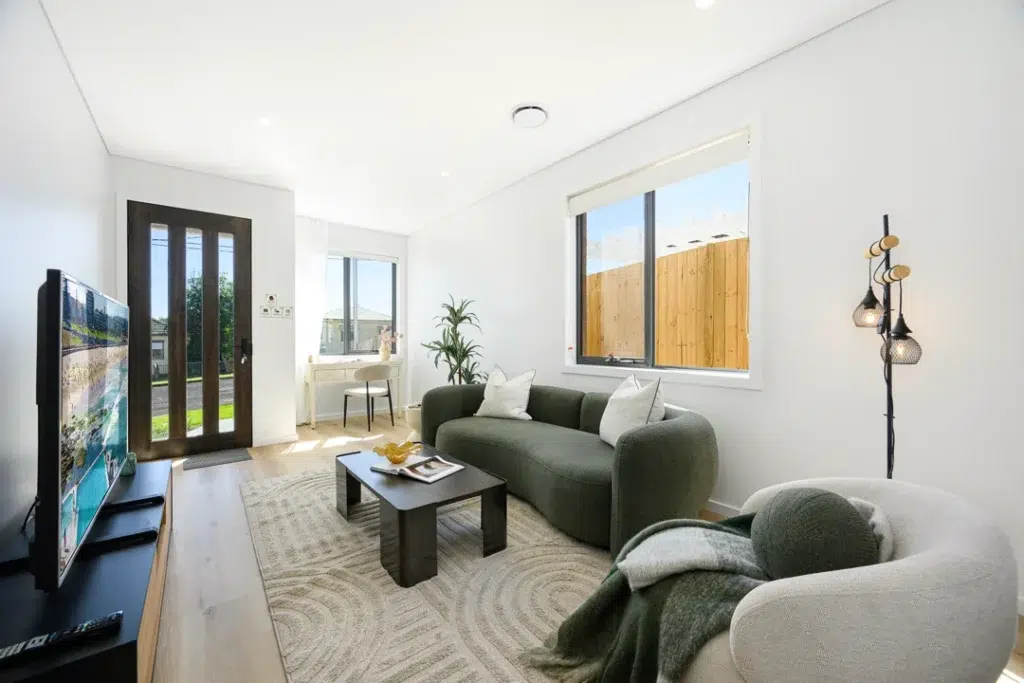
FAQ: what else should I know?
Is tempered glass safer for a coffee table?
Tempered glass is commonly engineered to be stronger than standard annealed glass and, if it fails, it’s designed to break into smaller pieces rather than long shards. That doesn’t remove risk from heavy impacts, chips or misuse. If you’re considering a glass table, confirm the specific glass type and care instructions with the retailer before buying, and choose rounded profiles where possible.
What shape suits a small living room?
Ovals and rounds reduce corner bumps and improve flow in tight walkways, which helps in compact apartments. Rectangles can work beautifully against a straight sofa if you maintain at least a comfortable step around the table. Glass tops visually expand space, while slim metal frames keep sightlines clear.
How can I make a metal coffee table feel warmer?
Layer natural texture: a timber or rattan tray, a linen runner, or a stack of cloth‑bound books with a ceramic bowl. Add a plant for organic softness, and echo the metal tone subtly elsewhere—lamp, picture frame or door hardware—so the table reads as part of a cohesive scheme rather than a cold focal point.
Editorial note: This article offers general design guidance for Australian homes. Always check current product details with the retailer—materials, finishes and care guidance can vary by model and may change over time. Any examples here are illustrative only and not a promise of availability.