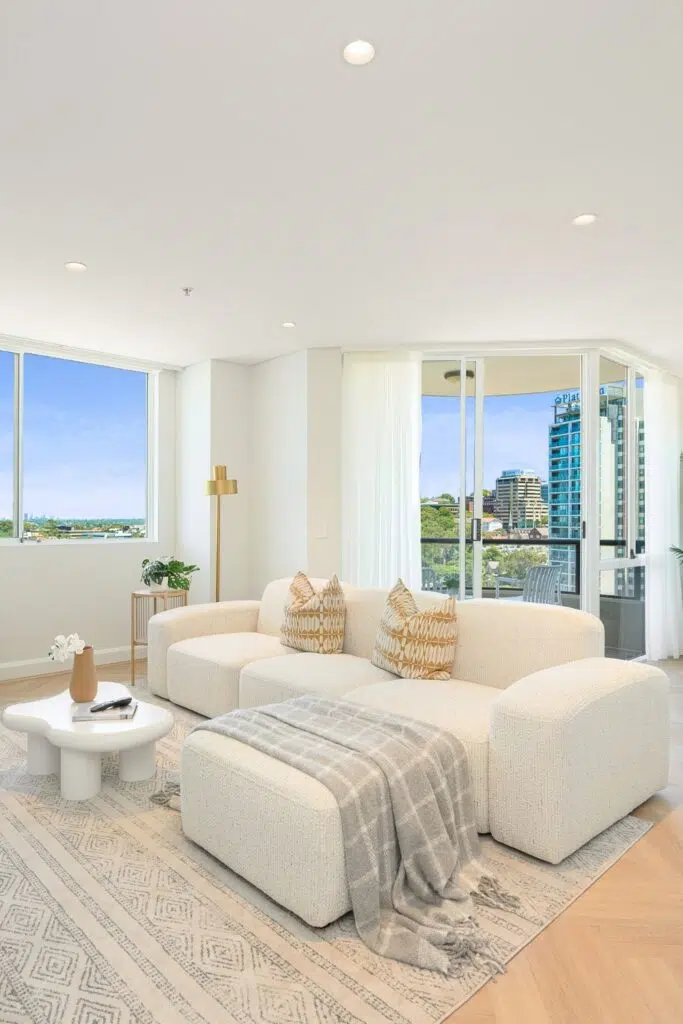

Choosing between bench seats and dining chairs is one of the most strategic decisions in dining room design. It affects not only aesthetics, but also seating capacity, spatial efficiency, comfort ergonomics, and long-term functionality.
If you’re furnishing a modern Australian home, especially in open-plan living layouts, this guide will help you decide which option aligns best with your lifestyle and floor plan.
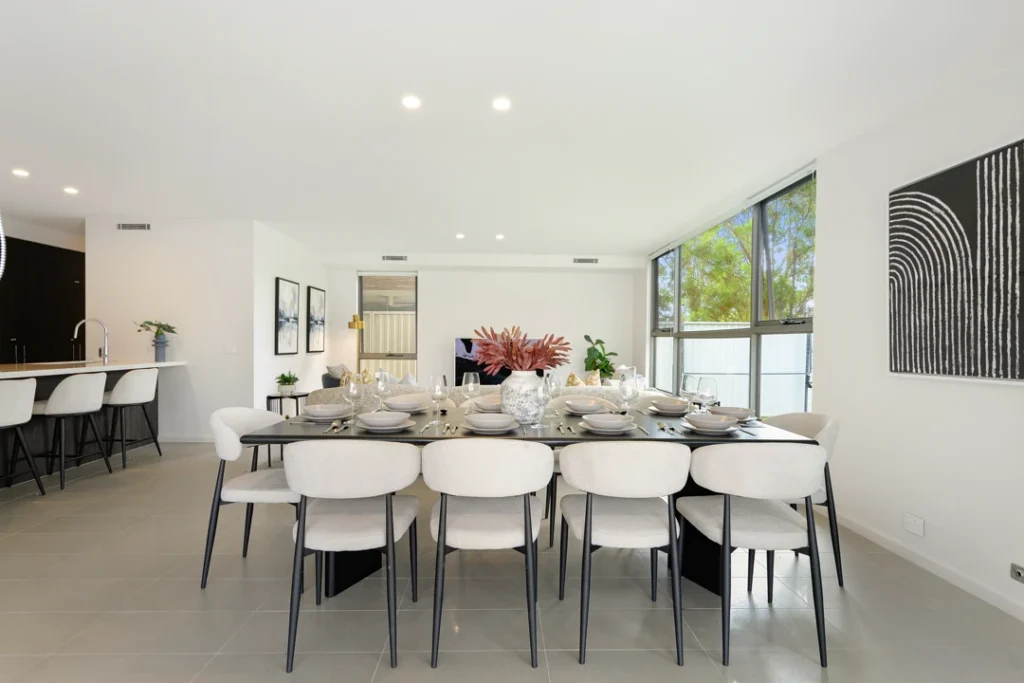
Quick Answer: Bench Seats or Dining Chairs?
Choose bench seats if: you want to maximise seating, save space, and achieve a streamlined contemporary look.
Choose dining chairs if: comfort, individual support, and design versatility are your top priorities.
Best solution for most homes: a hybrid layout (bench on one side, chairs on the other).
Now let’s analyse each option in detail.
What Are Bench Seats?
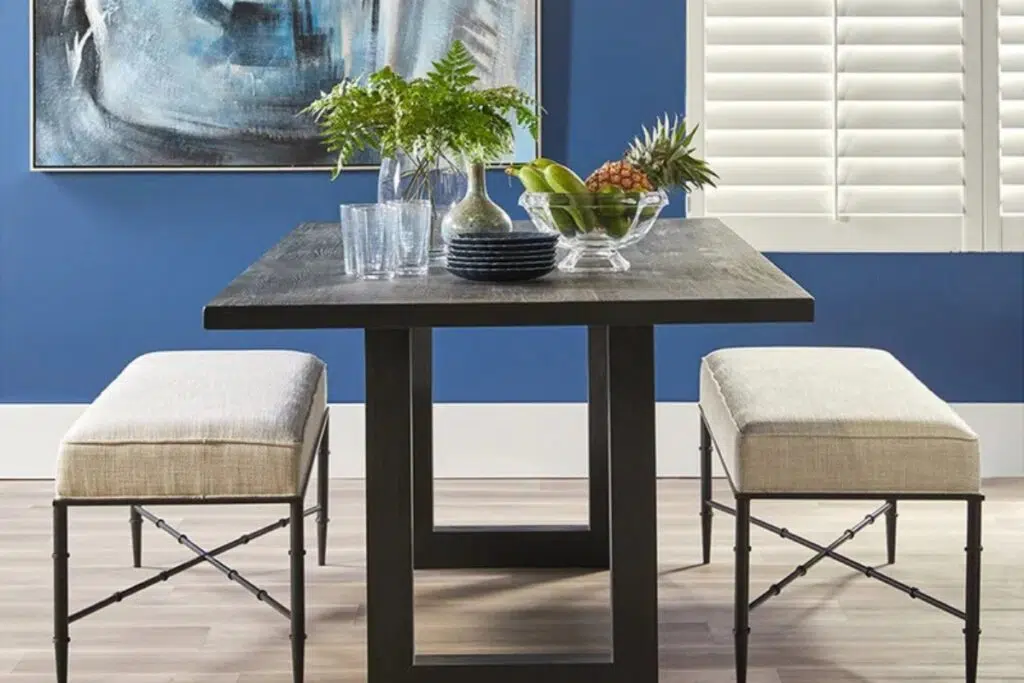
Bench seats are long, backless (or sometimes backed) seating pieces designed to accommodate multiple people. They are commonly paired with rectangular dining tables.
Advantages of Bench Seating
Maximises Seating Capacity
A single bench can seat more people than individual chairs in the same linear footprint. Ideal for families and entertaining.
Space Efficiency
Benches tuck fully under the table when not in use, reducing visual clutter — especially valuable in compact dining areas or apartments.
Contemporary & Minimalist Appeal
Bench seating complements modern, Scandinavian, coastal, and industrial interiors. For example, pairing a timber bench with a grey-toned dining table creates a cohesive aesthetic in neutral Australian homes.
Flexible Seating
Children can slide along the bench, and guests can easily adjust spacing.
Limitations of Bench Seating
- Less back support (unless using backed benches)
- Slightly less comfortable for long dinners
- Harder for elderly users to get in and out
What Are Dining Chairs?
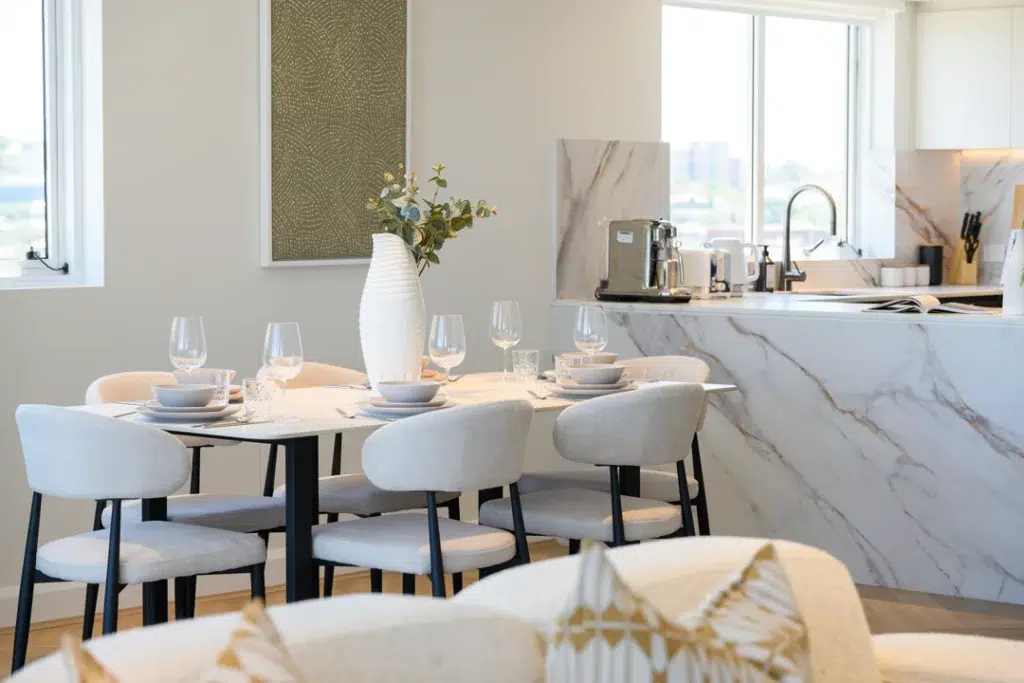
Dining chairs are individual seating units designed with ergonomic support. They may include upholstered seats, armrests, and high backs.
Advantages of Dining Chairs
Superior Comfort & Ergonomics
Well-designed dining chairs provide lumbar support and cushioning, making them better for long meals and gatherings.
Defined Personal Space
Each guest has a dedicated seat — ideal for formal dining environments.
Design Versatility
Chairs come in various styles, materials, and finishes. You can mix textures (fabric, timber, metal) to elevate the room visually.
Accessibility
Easier for older family members to move independently.
Limitations of Dining Chairs
- Occupy more floor space
- Visually heavier in small rooms
- Typically accommodate fewer people along the same table length

Bench Seats vs Dining Chairs: Direct Comparison
| Feature | Bench Seats | Dining Chairs |
| Seating Capacity | Higher | Moderate |
| Comfort | Moderate | High |
| Space Saving | Excellent | Average |
| Formal Look | Casual to modern | Classic to formal |
| Flexibility | High | Moderate |
| Accessibility | Moderate | High |
Which Is Better for Small Dining Rooms?
For apartments or compact homes, bench seats generally perform better. They:
- Reduce visual clutter
- Tuck under tables
- Increase seating without expanding table size
However, if comfort is non-negotiable, slim-profile dining chairs in neutral tones (such as grey upholstery) are an excellent alternative.
Which Is Better for Families?
Families with children often prefer benches because:
- Kids can squeeze in easily
- Less risk of chairs tipping
- Easier clean-up under one continuous seat
But for extended family dinners, mixing benches and chairs offers the best balance of comfort and capacity.
Design Strategy: The Hybrid Approach (Most Recommended)
Interior designers frequently recommend:
- Bench on one side
- Dining chairs on the opposite side and table ends
This layout:
- Creates visual interest
- Maximises seating
- Maintains comfort
- Works beautifully in Hamptons, coastal, and contemporary homes
Material Considerations
When selecting either option, consider:
- Solid timber for durability and warmth
- Fabric upholstery for comfort
- Neutral colours (especially grey tones) for long-term versatility
- Easy-clean finishes for family homes
Frequently Asked Questions
Are bench seats comfortable for dining?
Bench seats are comfortable for short to medium-length meals. For extended dinners, adding seat cushions improves comfort significantly.
Do benches save space compared to chairs?
Yes. Benches can be fully tucked under the table, making them ideal for small dining spaces.
Can you mix benches and dining chairs?
Absolutely. Mixing both is one of the most practical and visually appealing dining solutions.
Are benches good for formal dining rooms?
Typically, dining chairs create a more formal atmosphere. Benches lean towards casual or contemporary styling.
Final Verdict: What Should You Choose?
There is no universally “better” option — only what works best for your:
- Floor plan
- Household size
- Entertaining habits
- Design aesthetic
For modern Australian homes, a bench + dining chair combination offers optimal flexibility, seating capacity, and style balance.
If you’re currently upgrading your dining space, focus on durability, neutral colour palettes, and long-term adaptability — especially if your layout may evolve over time.
Ready to Upgrade Your Dining Area?
Explore thoughtfully designed dining tables, chairs, and bench seating that balance comfort, space efficiency, and timeless style — and choose the configuration that suits your lifestyle best.