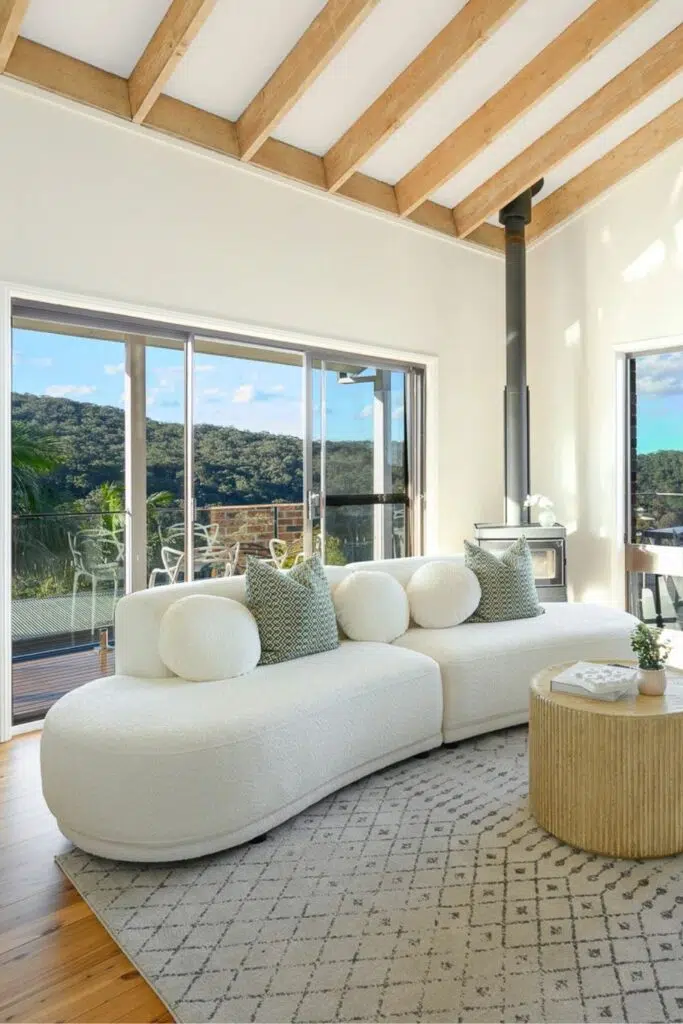

- Why Your Rug Choice Matters
A rug isn’t just a floor covering—it defines your space. It adds warmth, texture, and balance to a room, tying together your furniture and décor. The right rug can make your living room feel cozy or your dining area feel polished. Choosing wisely means considering not only style but also size, material, and placement.
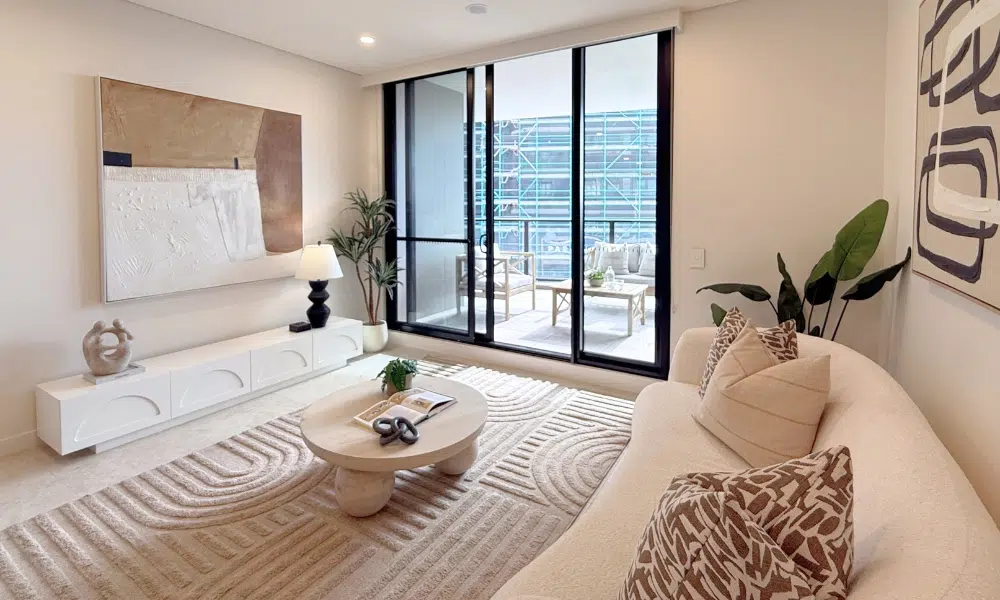
- Pick the Right Rug Size
Getting the correct size is the most important step—and the most common mistake buyers make.
For Living Rooms:
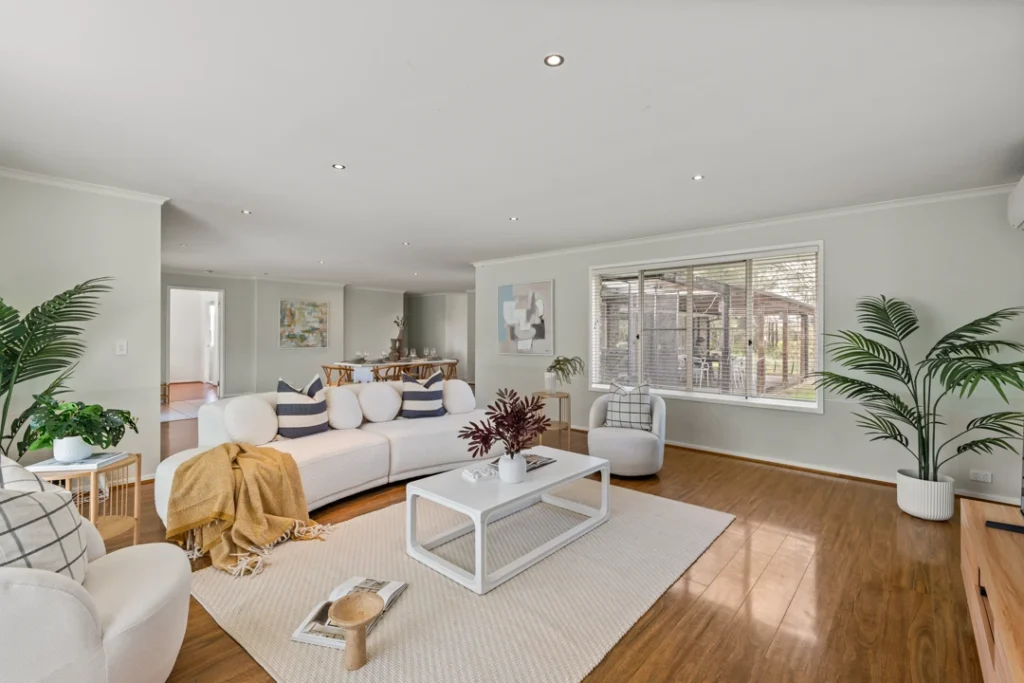
- A large rectangular rug should fit under the front legs of your sofa and chairs.
- Leave about 20–30 cm of floor visible around the rug’s edge.
- For smaller spaces, choose a rug that sits just under the coffee table while still connecting all furniture visually.
For Dining Areas:
- The rug should extend at least 60–70 cm beyond your dining table on all sides.
- This ensures chairs stay on the rug even when pulled out—preventing wobbly legs or uneven wear.
For Bedrooms:
- Place a rectangular rug under the lower two-thirds of your bed so it extends on each side.
- A 160×230 cm rug fits a queen bed, while a 200×300 cm rug suits a king.
💡 Tip: Always measure before you buy. Use masking tape to outline the rug area on the floor to check proportions.
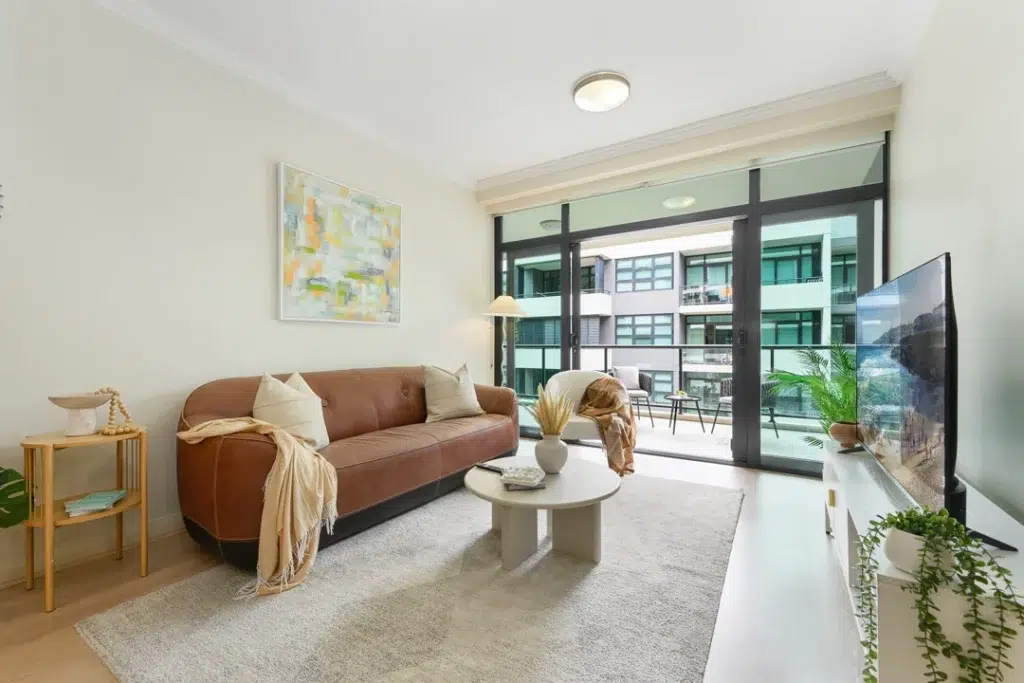
- Choose the Right Material
Different materials offer different looks and levels of comfort:
| Material | Best For | Benefits |
| Wool | High-traffic areas | Durable, soft, natural insulation |
| Polypropylene | Families & pets | Easy to clean, stain-resistant |
| Cotton | Bedrooms, casual areas | Lightweight, breathable |
| Jute or Sisal | Coastal & Hamptons styles | Natural texture, eco-friendly |
If you’re furnishing an Australian coastal or Hamptons-style home, neutral-toned jute or wool-blend rugs work beautifully with white or oak furniture.
- Match the Colour & Style
Stick with your room’s colour palette:
- Grey rugs pair well with modern, minimalist interiors.
- Beige and natural tones suit coastal or Hamptons spaces.
- Add contrast—if your sofa is light, try a darker rug to ground the space.
If your furniture already has patterns, go for a solid rug; if it’s neutral, a subtle pattern can add character.
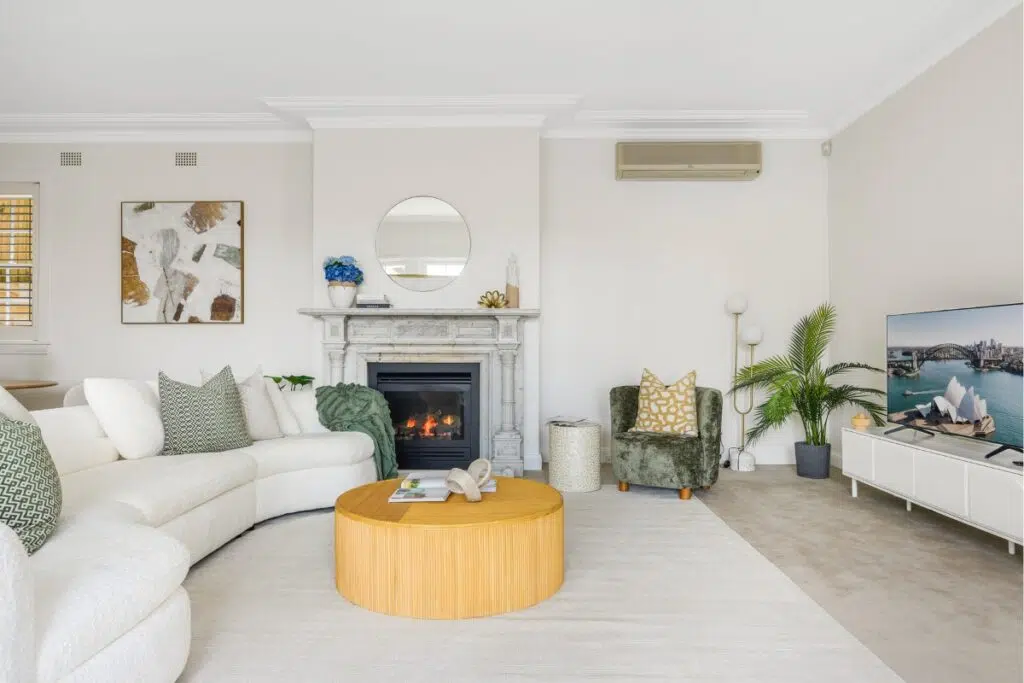
- Maintenance & Practical Tips
To keep your rug looking fresh:
- Vacuum regularly (low suction for delicate fibres).
- Rotate your rug every few months for even wear.
- Use a rug pad underneath to prevent slipping and extend its lifespan.
- Final Thoughts
The right rug completes your space—it brings warmth, defines boundaries, and sets the tone for your entire room. Whether you’re furnishing a new home or updating your décor, start by choosing the right size, shape, and texture.
🛋️ Explore our collection of modern rectangular rugs designed to complement Australian homes—available in neutral tones and practical sizes, perfect for your living or dining space.
🧩 Frequently Asked Questions
1. What size rug should I get for my living room?
Choose a rug large enough to fit under the front legs of your sofa and chairs. For most medium-sized living rooms, a 200×300 cm rug works well. This ensures the rug connects all the furniture visually and balances the space.
2.Should a rug go under the dining table?
Yes—ideally, your rug should extend at least 60 cm beyond the table on all sides. This allows chairs to stay on the rug even when pulled out, preventing uneven edges and making dining more comfortable.
3.What material is best for rugs in high-traffic areas?
For busy households, polypropylene or wool-blend rugs are great choices. They’re durable, easy to clean, and hold their shape well. Avoid delicate materials like silk or viscose in hallways or living rooms.
4.How do I clean and maintain my rug?
Vacuum regularly, rotate the rug every few months, and clean spills immediately. For deeper cleaning, use a professional rug cleaner once a year, especially if it’s wool or jute.
5.What’s the best rug colour for a modern Australian home?
Grey, beige, and natural tones remain the most versatile options—they blend beautifully with timber floors and modern furniture styles commonly found in Australian interiors.
6.Can rugs be used on tiled or hardwood floors?
Absolutely. Just use a non-slip rug pad underneath to prevent movement and protect your floor from scratches. It also adds extra cushioning and helps your rug last longer.