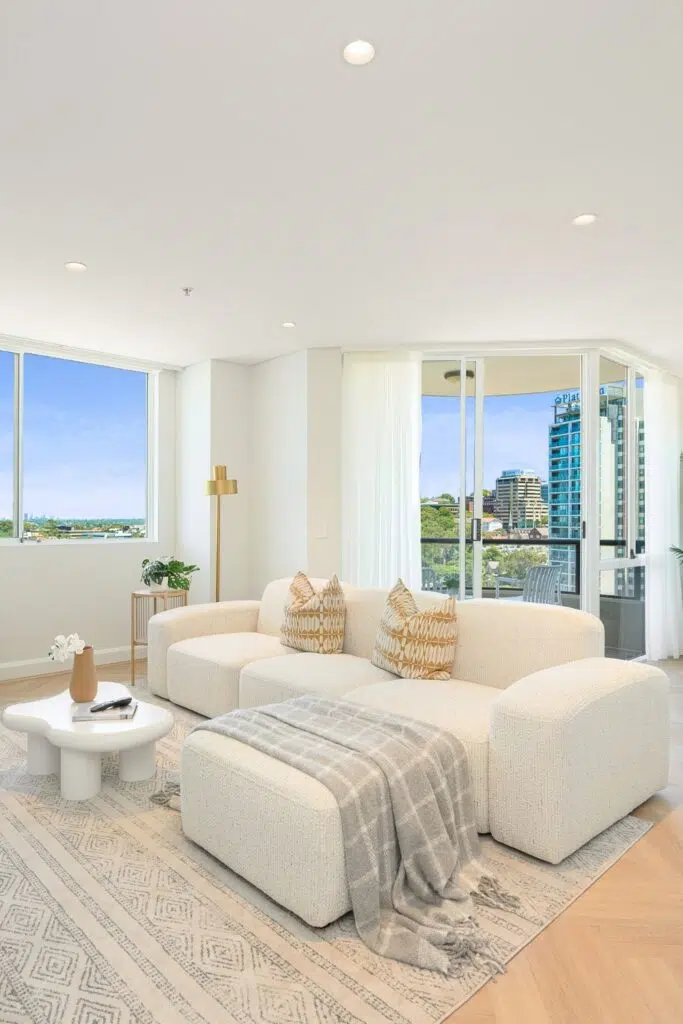

Quick Answer: How Do I Make My Living Room Feel Cosy in Autumn?
To instantly create a warm, cosy living room this autumn in Australia, follow this three-step formula:
- Layer a rug in a natural material like wool, jute, or a plush low-pile fabric as your foundation
- Add 3–5 cushions on your sofa in warm seasonal tones — think terracotta, rust, sage green, or warm cream
- Drape a throw blanket over one arm of your sofa or fold it neatly at the base
That’s it. Three simple changes, and your living room feels completely transformed — no renovation required.
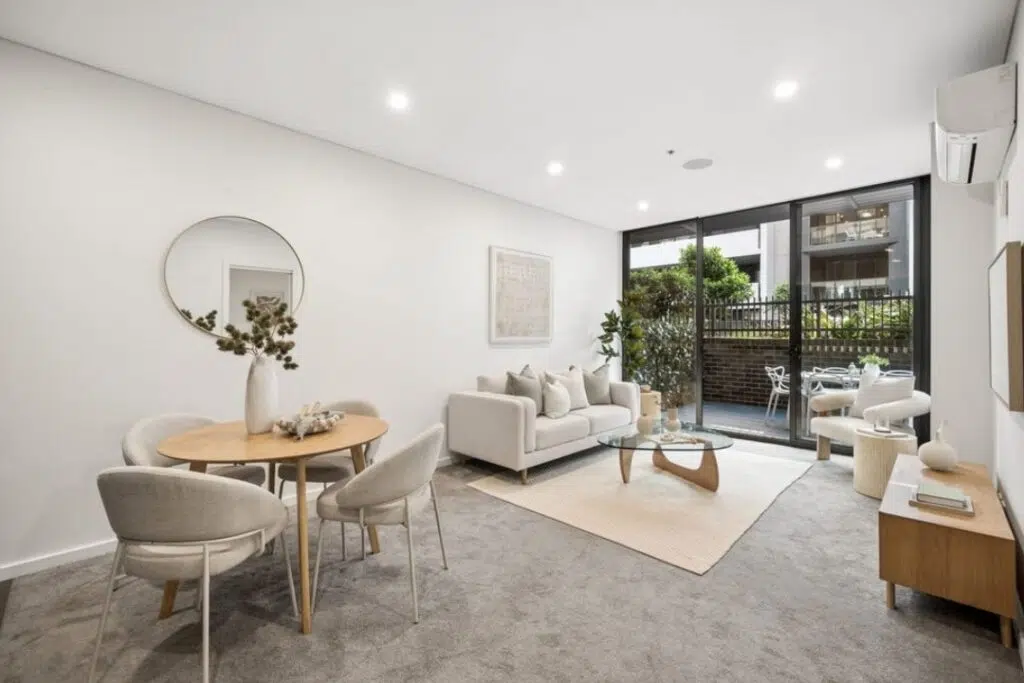
Why Autumn Is the Best Season to Refresh Your Home in Australia
Unlike northern hemisphere countries where autumn means bare trees and early darkness, the Australian autumn (March to May) is a golden sweet spot. Temperatures drop just enough to make your home feel like a sanctuary. The light shifts — warmer, lower, more golden — and you naturally want your interiors to reflect that shift.
It’s the season when Australians move from light linen sofa cushions and bare floors back to layered softness. It’s when your living room stops being a room you pass through and starts becoming a room you linger in.
It’s also a practical moment. After a long summer, your soft furnishings may have faded, flattened, or simply stopped feeling right for the cooler months ahead. An autumn refresh is far less expensive than a full furniture upgrade, and the results can be just as dramatic.
Step 1 – Start With the Right Rug
The rug is the single most impactful change you can make to a living room. It defines the zone, anchors the furniture, and instantly changes the mood of the space. In autumn, you want a rug that adds visual weight and tactile warmth — not just something that looks good in a showroom.
What Size Rug Do I Need for My Living Room?
Rug sizing is one of the most common mistakes Australians make when decorating. A rug that’s too small makes the room feel disjointed and unfinished.
The golden rule: Your rug should be large enough that at least the front two legs of every major piece of furniture sit on it.
Here are the standard sizing guidelines for Australian living rooms:
- Small apartment or studio (under 25sqm): 160cm × 230cm minimum
- Standard living room: 200cm × 290cm or 240cm × 340cm
- Large open-plan living area: 270cm × 370cm or larger
If you’re unsure, always go one size up. A larger rug makes a room feel bigger, not smaller.
What Rug Material Works Best in Autumn?
For autumn and the cooler months, you want materials that feel substantial underfoot and add visual texture:
- Wool rugs — The gold standard for autumn. Naturally warm, durable, and softens beautifully over time. Best for formal or relaxed living spaces.
- Jute and sisal — Natural fibres that bring an earthy, grounded quality. Works especially well with timber furniture and coastal interiors.
- Plush or low-pile fabric rugs — Great for families and high-traffic rooms. Comfortable underfoot and easy to maintain.
- Flatweave cotton rugs — More casual, better suited to warmer months. Consider swapping these out in autumn for something with more texture.
Pro Tip: If you have a flatweave summer rug you love, you can layer a smaller sheepskin or textured rug on top of it for added warmth and depth. This is a designer trick that costs very little and looks intentional.
Autumn Rug Colours for Australian Homes in 2026
The colour palette that’s dominating Australian interiors this autumn is warm, grounded, and deeply liveable:
- Warm Oat and Cream — Timeless, brightens any room, works with everything
- Terracotta and Clay — Rich, earthy, pairs beautifully with timber and rattan
- Sage and Olive Green — Calm, nature-inspired, currently the most popular accent colour in Australian homes
- Warm Charcoal — Sophisticated and grounding, especially in open-plan spaces
- Sandy Beige and Caramel — Relaxed and warm, reflects the Australian landscape
Browse our full range of rugs to find the perfect anchor for your autumn living room.
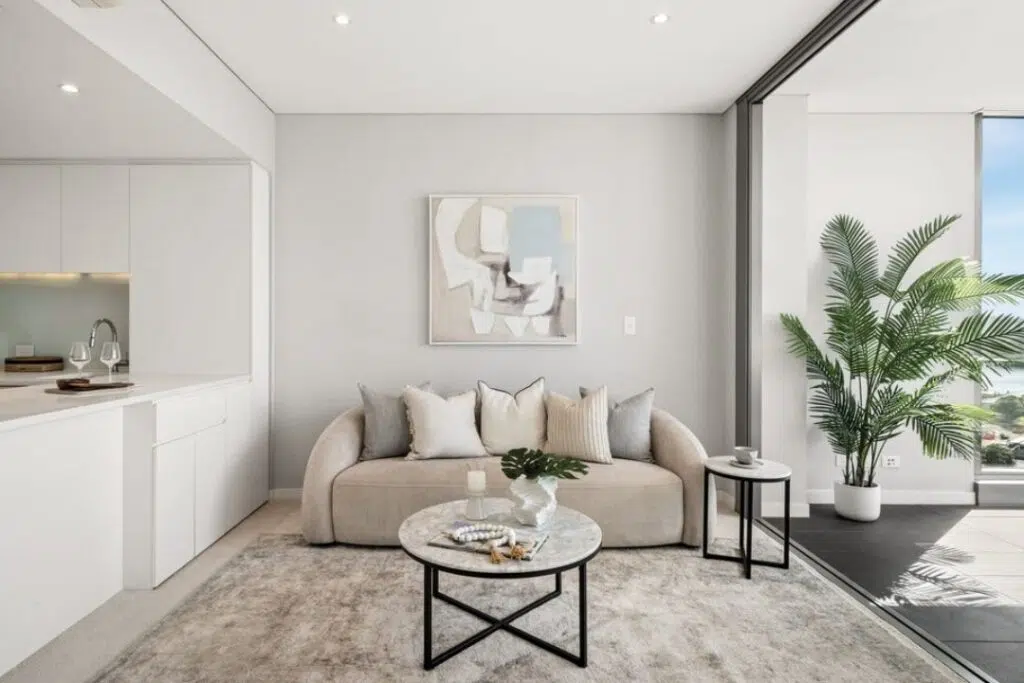
Step 2 – Layer Your Cushions Like a Stylist
Cushions are where most people either overcomplicate or underthink the process. There’s a very simple framework that professional stylists use, and once you know it, you’ll never stare blankly at a sofa wondering what’s missing.
How Many Cushions Should I Put on My Sofa?
The short answer: always use an odd number, or a specific even number arrangement if you have a large sofa.
For a 2-seater sofa: 3 cushions — two identical ones at each end, one different cushion in the middle For a 3-seater sofa: 3 to 5 cushions — two pairs flanking a single feature cushion For an L-shaped sofa: 5 to 7 cushions — treat each section as its own zone
The Cushion Formula: Size, Texture, and Tone
The reason a sofa looks “styled” rather than “random” comes down to three variables working together:
1. Vary the sizes Mix large cushions (60cm × 60cm) with medium (50cm × 50cm) and smaller rectangular cushions (30cm × 50cm). The variation in scale creates visual rhythm.
2. Vary the textures Pair a smooth linen cushion with a boucle or textured woven cushion. Add one with a subtle pattern — a stripe, a geometric, or a botanical print. The texture contrast is what makes a sofa feel considered.
3. Stay within a tonal family You don’t need everything to match, but everything should belong to the same colour story. For autumn, this means anchoring in neutrals (oat, cream, warm grey) and adding 1–2 accent cushions in terracotta, rust, sage green, or deep olive.
Autumn Cushion Combinations That Work
Here are three ready-to-use colour combinations for your sofa this autumn:
Combination 1 – The Warm Neutral
Oat linen + warm cream textured + rust terracotta accent Works with: Grey sofas, beige sofas, natural timber furniture
Combination 2 – The Earthy Tone
Sage green + warm charcoal + caramel boucle Works with: Dark charcoal sofas, navy sofas, walnut timber pieces
Combination 3 – The Coastal Autumn
Warm white + sandy beige + soft olive + one terracotta stripe Works with: Light linen sofas, rattan furniture, Scandi-style interiors
Browse our cushion collection to find combinations that suit your sofa.
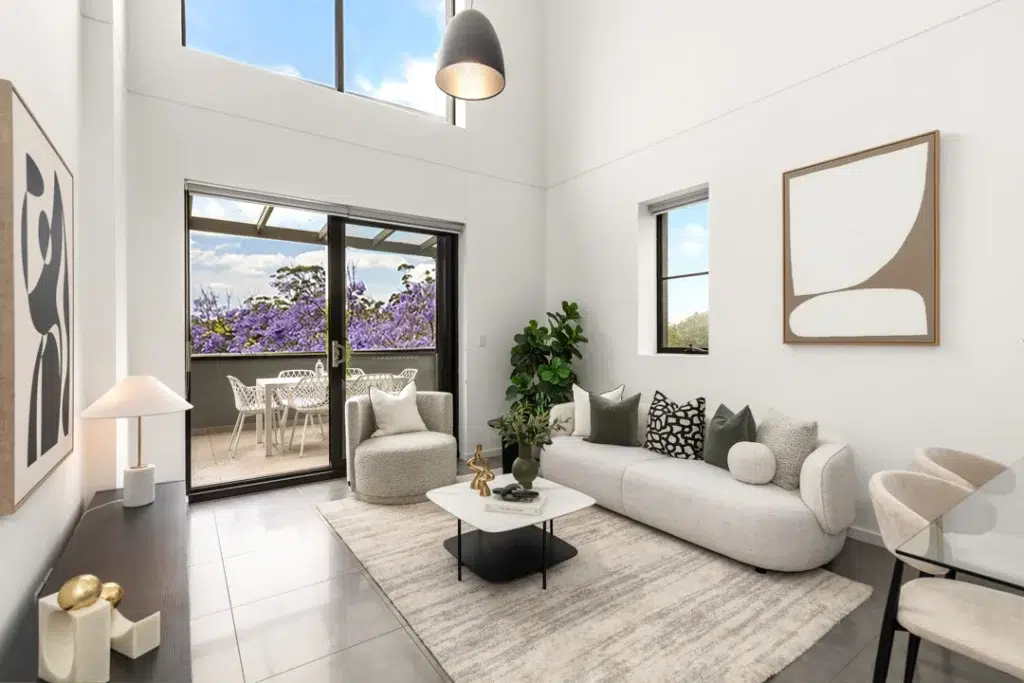
Step 3 – Add a Throw for Warmth and Texture
A throw blanket is the finishing touch that signals your home is ready for the cooler months. It also does something cushions can’t — it invites people to actually sit down and stay awhile.
How Do You Style a Throw on a Sofa?
There are three classic ways to place a throw, and each gives a slightly different aesthetic:
1. Draped over the arm
Fold loosely in thirds and drape over one arm of the sofa. This is the most relaxed, lived-in look. Great for family homes and casual interiors.
2. Folded at the base
Fold neatly and place horizontally across the bottom third of the sofa. This is cleaner and more editorial — better for minimalist or contemporary spaces.
3. Casually bunched in a corner
Gather the throw loosely and tuck it into one corner of the sofa, as if someone just used it. This is the most styled-but-casual look — it makes the home feel actively lived in.
What Material Works Best for an Autumn Throw?
- Chunky knit throws — Maximum visual impact. Warm, textural, and immediately cosy. Comes in oat, cream, charcoal, terracotta.
- Wool or wool-blend throws — Lightweight but genuinely warm. Drape beautifully.
- Cotton gauze or muslin throws — Better for early autumn when temperatures are still mild but nights are cooling.
Colour tip: Your throw doesn’t have to match your cushions exactly. In fact, a slight contrast works better. If your cushions are in warm neutrals, a deep sage green or charcoal throw adds depth. If your cushions have colour, an oat or cream throw balances it.
The 2026 Autumn Colour Palette for Australian Homes
The most popular colour direction for Australian interiors this autumn draws from two competing but complementary energies: the warmth of earth tones and the calm of natural greens.
The Key Colours:
| Colour | Tone | Works Best With |
|---|---|---|
| Terracotta | Warm orange-red clay | Timber, cream, sage green |
| Sage Green | Muted, dusty green | Oat, charcoal, natural linen |
| Warm Oat | Soft off-white with yellow undertone | Everything |
| Rust | Deep, rich orange-brown | Dark timber, charcoal, cream |
| Warm Charcoal | Dark grey with warm undertone | Oat, sage, terracotta |
| Olive Green | Deeper, earthier green | Rust, cream, natural materials |
What’s out for 2026: Cool greys, stark whites, and highly saturated primary colours feel very 2021–2023. The shift is strongly toward warmth, softness, and natural references.
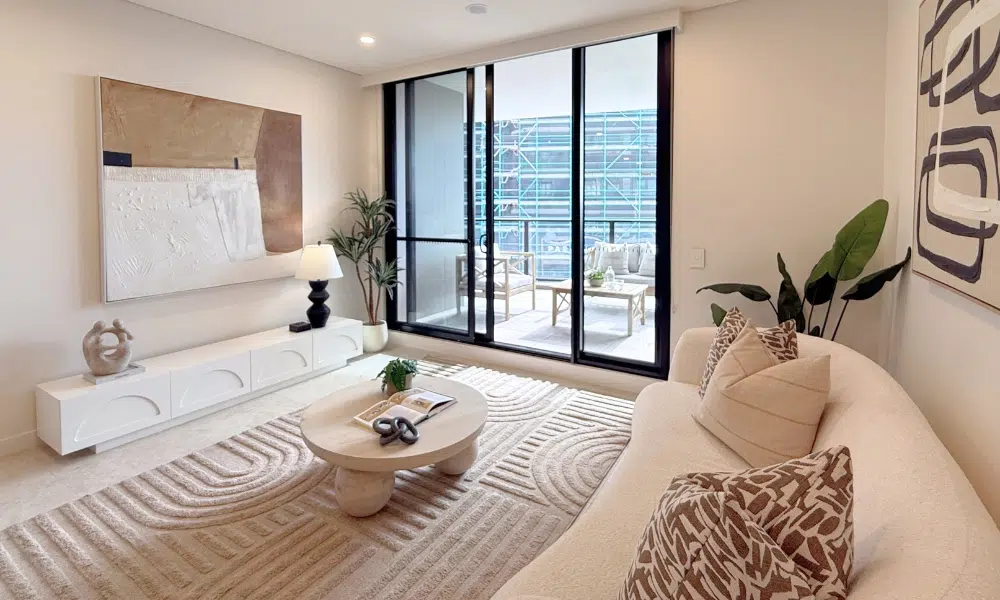
How to Bring It All Together: Room Styling Checklist
Use this checklist to style your living room for autumn in one afternoon:
- Rug in place — at least front legs of sofa and armchairs on the rug
- Rug colour — warm neutral or earthy tone, not cool grey or bright white
- Cushion count — 3, 5, or 7 depending on sofa size
- Cushion variety — at least two different textures, one patterned or tonal accent
- Cushion colours — anchored in neutrals, with 1–2 warm seasonal accents
- Throw in place — draped, folded, or bunched depending on your style
- Throw colour — complements but doesn’t exactly match cushions
- Warm lighting — if you have floor lamps or table lamps, this is the season to use them
One more thing: Autumn is also the right time to switch to warmer bulb temperatures in your lamps (2700K–3000K warm white rather than cool daylight bulbs). The difference it makes to the feel of a room at 6pm is extraordinary.
Browse our table lamps and floor lamps to complete the autumn atmosphere.
Common Styling Mistakes to Avoid
Mistake 1: Rug that’s too small
The most common mistake in Australian homes. A rug that only sits under the coffee table — with furniture legs floating off it — makes a room feel unanchored. Go bigger.
Mistake 2: All cushions the same size
A sofa with four identical square cushions looks like a display room, not a home. Mix sizes and shapes.
Mistake 3: Too many competing colours
Three colours maximum in a cushion arrangement. More than that and the eye doesn’t know where to settle.
Mistake 4: Throw never actually used
A throw draped too perfectly looks staged. Don’t be afraid to scrunch it slightly. A used throw is a welcoming throw.
Mistake 5: Forgetting the rug pad
A rug without a non-slip pad on a timber or tile floor is a safety hazard and will move constantly. Always use a quality rug pad underneath.
Frequently Asked Questions
What size rug should I use in my living room?
For most Australian living rooms, a 200cm × 290cm or 240cm × 340cm rug is the right size. The front two legs of your sofa and armchairs should sit on the rug. If in doubt, go larger — a generous rug makes a room feel bigger, not smaller.
How many cushions should I put on a 3-seater sofa?
Three to five cushions is ideal for a 3-seater sofa. Use an odd number for a relaxed, styled look. Vary the sizes and textures — for example, two large square cushions at either end, two medium textured cushions, and one smaller rectangular accent cushion in the centre.
What colours work best for an Australian living room in autumn 2026?
The most popular palette for 2026 is centred on warm earthy tones: terracotta, sage green, warm oat, rust, and olive. These colours layer naturally together and work with both light-toned and darker furniture.
How do I stop my rug from slipping on timber floors?
Always use a quality non-slip rug pad underneath. Cut the pad to be slightly smaller than the rug on all sides (about 5cm border) so it doesn’t show. This also extends the life of your rug by reducing wear.
Are warm tones good for small living rooms?
Yes — a common misconception is that warm, dark colours make small spaces feel smaller. In fact, a warm oat or terracotta rug in a small room creates cohesion and visual warmth without closing in the space. Avoid very dark rugs in very small rooms, but any warm mid-tone works well.
What’s the difference between a rug and a floor rug in Australia?
The terms are used interchangeably in Australia. Both refer to the same product — a textile floor covering used to define zones, add warmth, and bring texture to a room. “Floor rug” is simply a more colloquial Australian phrasing.
Final Thoughts
Styling your home for autumn doesn’t require new furniture or a full redesign. The most impactful changes — a rug, cushions, a throw — are also the most accessible. They’re the elements that make a space feel intentional rather than default.
The key is layering: building up texture, tone, and warmth gradually until the room feels complete. When you get it right, you’ll walk into your living room on a cool April evening and feel like you don’t want to leave.
That’s what great home styling does. It makes staying home feel like the best possible choice.
Looking to refresh your living room this autumn? Explore our curated collections of rugs, cushions, sofas and lounges, and floor lamps — all available with free delivery Australia-wide on orders over $3,000.