
Choosing the right bedside table is more than a functional decision—it shapes the overall feel of your bedroom, influences storage convenience, and determines how cohesive your interior design appears. Among the most popular options on the market, metal and wood bedside tables each offer distinctive strengths. Understanding their differences helps you make a choice that suits your lifestyle, aesthetic preferences, and home environment.
Below, we compare both materials in terms of performance, durability, maintenance, and styling potential, and provide recommendations for selecting the ideal bedside table for your bedroom.
- Metal Bedside Tables
Key Advantage
Modern aesthetics
Metal bedside tables work beautifully in contemporary, industrial, and minimalist interiors. Their clean lines and sleek finish make them a natural fit for modern bedrooms.
Exceptional durability
High-quality metal frames resist warping, cracking, and pest damage. They are generally long-lasting and maintain their structural stability over time.
Lightweight and easy to move
Despite their sturdy construction, many metal bedside tables remain relatively lightweight, making rearranging your room or cleaning underneath much easier.
Low maintenance
Metal surfaces are simple to wipe down and do not require oiling or special treatments.
Potential Drawbacks
Cold or rigid appearance
Metal can sometimes look less inviting compared with natural timber, especially in warm or coastal-inspired homes.
Prone to scratches on certain finishes
Powder-coated or painted surfaces may show wear over time if not properly maintained.
Limited storage formats
Metal bedside tables often feature open shelving or minimalist structures, which might not suit users who prefer drawers for concealed storage.
Best for These Interior Styles
- Industrial
- Urban contemporary
- Minimalist
- High-contrast monochrome spaces

- Wood Bedside Tables
Key Advantages
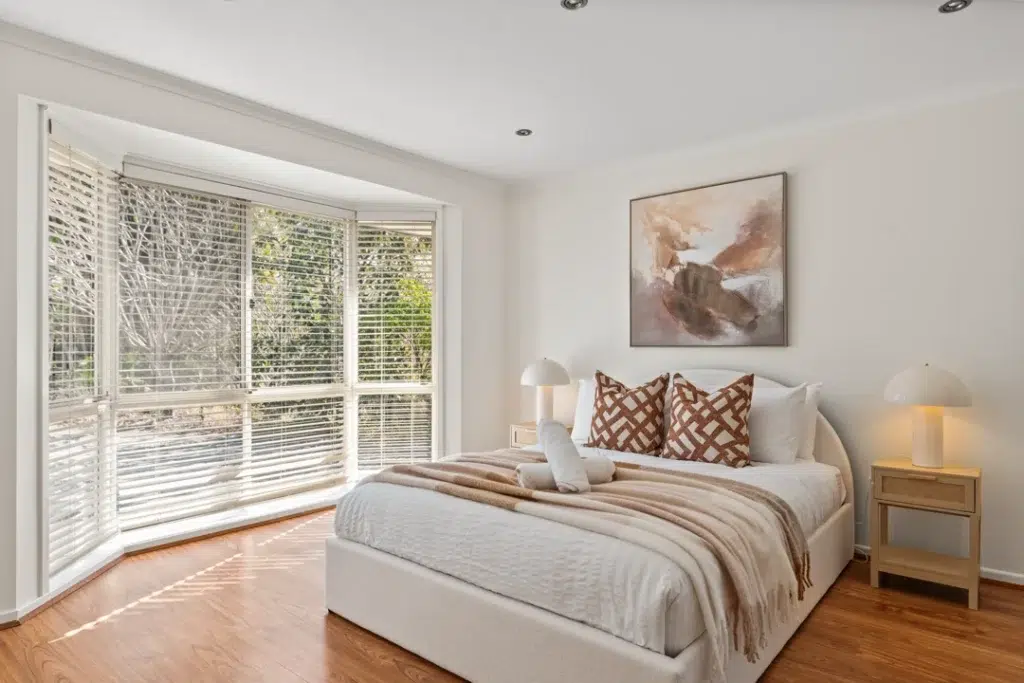
Warm, inviting look
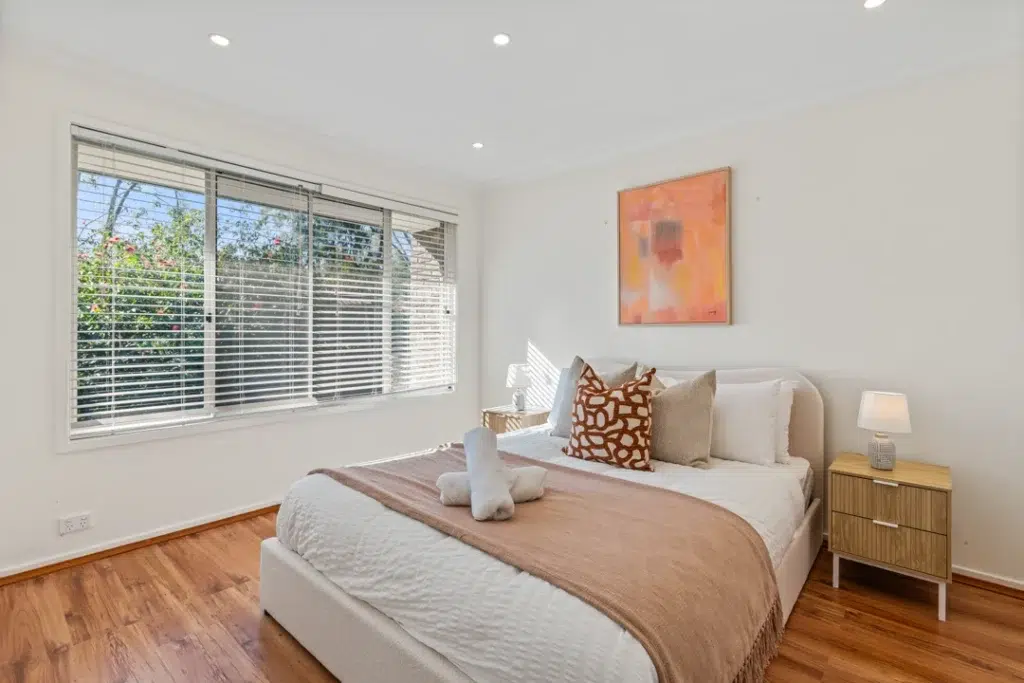
Timber adds natural warmth, texture, and character to any bedroom. Whether you’re styling a Hamptons, coastal, or Scandinavian space, wood blends seamlessly with soft furnishings and natural light.
Wide variety of colours and grains
Oak, walnut, ash, pine, and engineered woods each offer distinct looks—giving you flexibility to match the rest of your bedroom furniture.
Better storage options
Wood bedside tables often come with drawers, enclosed cabinets, and more complex structures that suit users who value organisation.
Easier to repair
Scratches and small dents can often be sanded or refinished, extending the lifespan of the piece.
Potential Drawbacks
More maintenance required
Wood needs occasional cleaning with specialised products and should be protected from excess moisture.
Susceptible to humidity and temperature swings
In climates where conditions fluctuate, solid timber may expand or contract slightly.
Heavier than metal
Solid wood bedside tables are generally heavier and harder to move.
Best for These Interior Styles
- Hamptons
- Coastal
- Scandinavian
- Traditional
- Farmhouse
- Contemporary warm-neutral interiors
- Style Considerations: Which Should You Choose?
For a Warm, Relaxed Bedroom
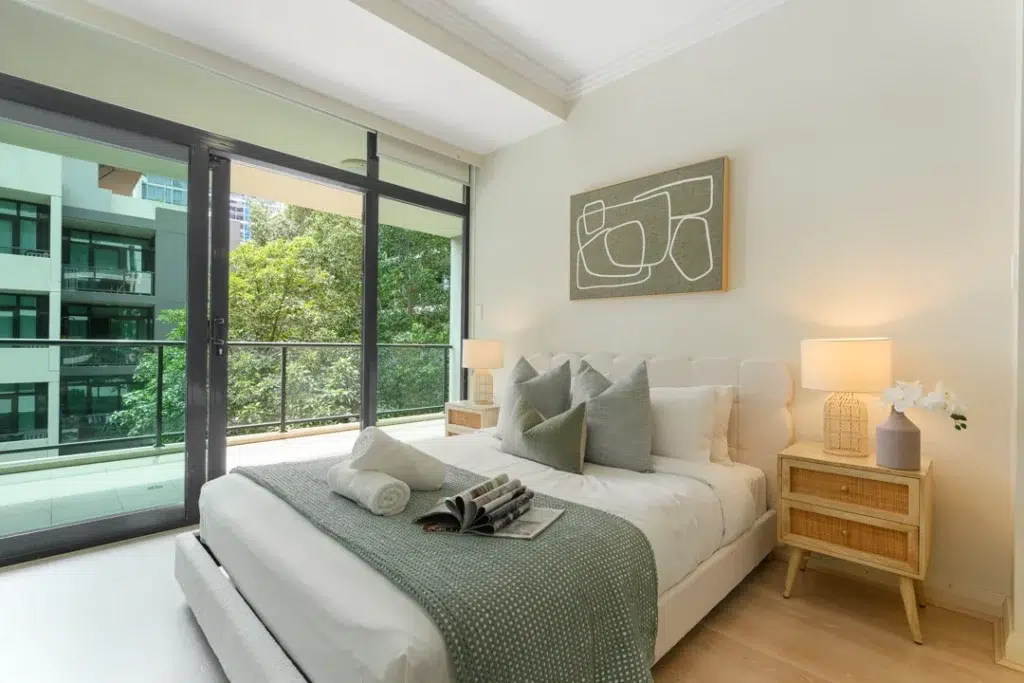
Wood is typically the better choice. It pairs beautifully with upholstered beds, linen bedding, coastal palettes, and neutral décor.
For a Sleek or Urban Bedroom
Metal offers sharper lines and a cool, contemporary look that complements leather, darker tones, and minimalist layouts.
For Storage-Focused Bedrooms
Choose wood if you need multiple drawers or concealed compartments.
Choose metal if you prefer open shelving or want a lightweight, easy-to-move option.
For Durability and Low Maintenance
Metal wins for homes that want long-term resilience with minimal upkeep.

- How to Match Your Bedside Tables With Existing Furniture
Match tones, not exact colours.
A wood bedside table does not need to be the same timber as your bed—just ensure the undertone aligns (warm vs. cool).
Balance the materials.
If your bedframe is upholstered, a metal side table creates contrast; if your bed is wooden, a metal table prevents the room from feeling overly timber-heavy.
Align your hardware.
Metal handles, lamps, and décor can visually tie wood bedside tables to the rest of your room.
Consider proportions.
Bedside tables should sit roughly level with your mattress height for optimum usability.
- Which One Is Better for Australian Homes?
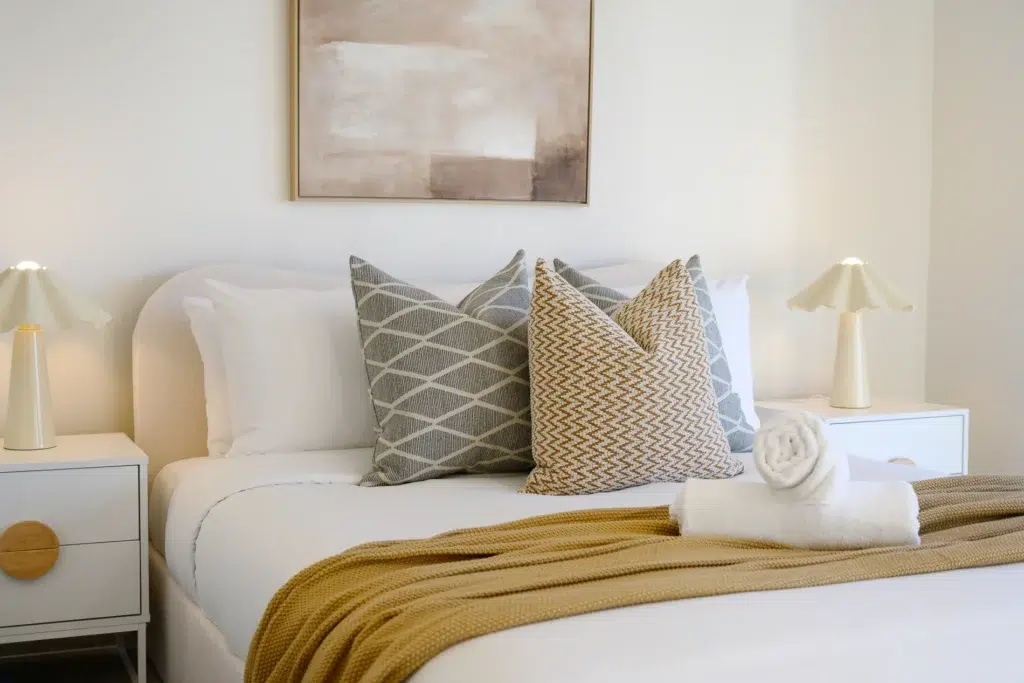
For Australian households—where coastal, Hamptons, and modern contemporary interiors dominate—both metal and wood bedside tables have a strong place. Wood remains the most versatile and popular choice because it suits bright spaces and soft furnishings. Metal, however, is ideal for apartments, modern builds, and customers who prefer a cleaner, minimal aesthetic.
Ultimately, the right choice depends on your personal style and how you use your bedside table daily.
Frequently Asked Questions (FAQ)
Are metal bedside tables sturdier than wood?
Metal frames are generally more resistant to warping and environmental changes, but solid wood offers excellent long-term durability when properly cared for.
Can I mix metal and wood in the same bedroom?
Yes. Mixed-material styling is on-trend. Wood adds warmth while metal adds contrast, creating a balanced and visually dynamic space.
Which bedside table material is more child-friendly?
Wood bedside tables tend to have softer edges and a warmer feel, making them more suitable for family environments.
Do metal bedside tables rust?
High-quality, indoor-use metal bedside tables are typically powder-coated or treated to prevent rust. Avoid placing them in high-moisture environments.
Should bedside tables match the bed?
Not necessarily. Matching the overall style and colour palette is more important than matching the exact materials.