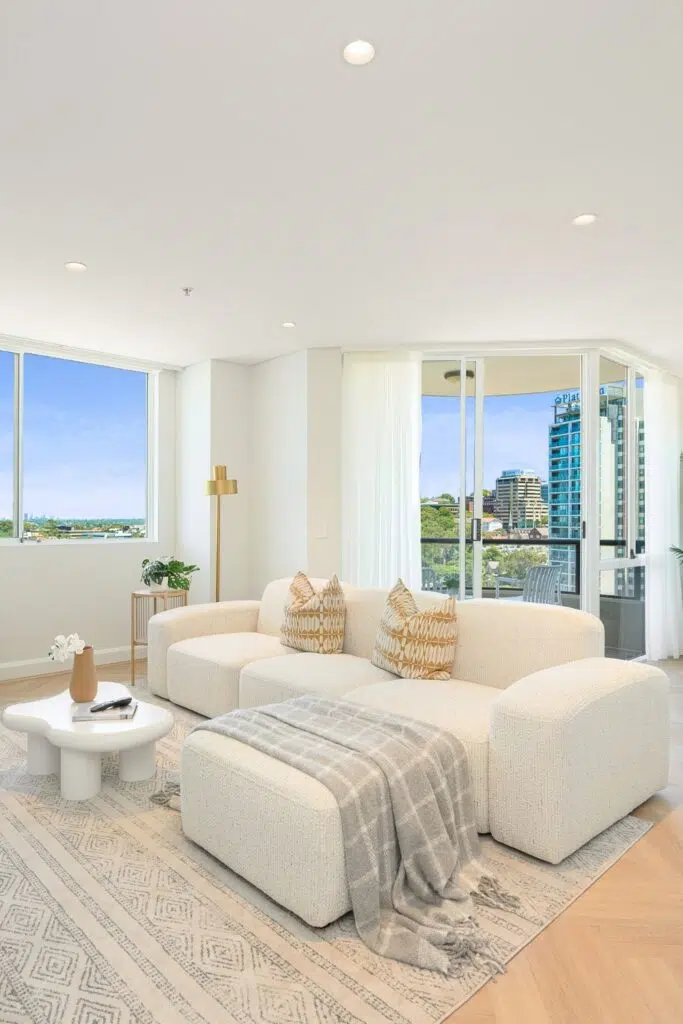

If you live in Sydney, the simplest outdoor furniture materials comparison is this: for salty, sun‑exposed balconies choose powder‑coated aluminium with solution‑dyed cushions; for Inner West courtyards wanting natural warmth, teak or eucalyptus can work if you accept seasonal care; UV‑stabilised resin wicker suits shaded spots. Whatever you choose, rinse off salt, add shade where you can, and store cushions when not in use.
Outdoor furniture materials comparison: which options suit Sydney’s sea breeze and sun?
Sydney’s climate mixes high UV, summer nor’easters pushing salt inland, and occasional downpours. That combination rewards materials that resist corrosion, shed water, and tolerate heat.
- Aluminium (powder‑coated): Very good near the coast; light to move; low ongoing care. Feels cool to the touch in lighter colours and heats up in darks on midsummer afternoons. Rinse to remove salt and avoid mixing metals that can cause staining.
- Hardwood (teak/eucalyptus): Naturally handsome and sturdy. Teak’s oils help outdoors; eucalyptus is tougher on budget but typically needs a touch more care. Expect a silver patina without periodic oiling. Allow airflow under legs and wipe spills promptly.
- Resin “wicker” over frame: Comfortable and visually soft. Best when the weave is UV‑stabilised and the frame is aluminium rather than steel. Great for covered decks and courtyards; in extreme sun, favour lighter colours and some shade.
- Fabric cushions: Prioritise solution‑dyed acrylic or olefin covers with breathable, quick‑draining inserts. Store cushions when heavy weather is coming; wash salt off before it dries.
Ready to explore options? See Ele Living’s outdoor furniture for inspiration, then use the care principles below to decide what fits your home and routine.
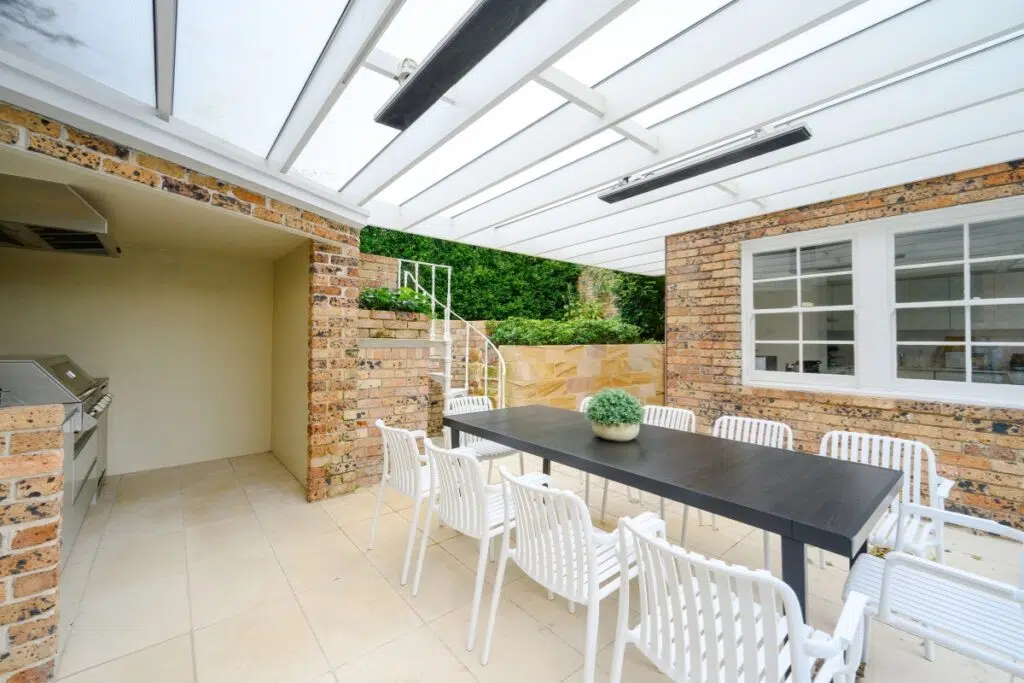
How does aluminium perform on coastal balconies and Inner West courtyards?
Powder‑coated aluminium is one of the easiest set‑and‑forget options for Sydney. Unlike raw steel, aluminium doesn’t rust; a good coating helps it shrug off salt haze and rain. On a Maroubra or Manly balcony, the practical routine is simple: a quick hose‑down every week or two to remove airborne salt, and a gentle wash with mild soapy water every month or so.
Comfort and heat: in full summer sun, darker coatings absorb more heat. Choose mid‑to‑light tones if the setting bakes from 11am–3pm, or add an umbrella. Aluminium’s light weight also suits renters and small terraces where pieces are moved often.
Care tips to keep it looking good:
- Rinse after beach days; wipe dry to discourage water spots.
- Use furniture glides to lift legs off constantly wet tiles.
- Avoid resting wet beach towels over arms for long periods to minimise staining or chalking of the finish.
Is hardwood (teak or eucalyptus) a smart choice for Sydney conditions?
Yes—if you appreciate timber’s feel and accept periodic care. Teak contains natural oils that help it weather well outdoors. Left untreated, it gradually turns a soft silver‑grey. Eucalyptus is also a robust option and can be a good value pick, typically asking for slightly more attention than well‑oiled teak.
In Bondi or Coogee, salt may leave a light film on timber surfaces. A soft brush and fresh water rinse keeps grain clean. To maintain a honey tone, many Sydney owners apply a breathable outdoor timber oil or sealer a couple of times a year; to keep the silvered look, simply clean and avoid film‑forming coatings.
Care checklist:
- Place furniture on well‑drained surfaces; use pads under feet on porous stone.
- Wipe food spills promptly to discourage marks.
- Lightly sand raised grain before seasonal oiling if you prefer a warm finish.
- Allow air gaps around pieces—timber dislikes being jammed against walls where moisture lingers.
Timber feels naturally temperate under bare skin and pairs beautifully with courtyards framed by brick or greenery. It’s a lovely match for Inner West terraces where sun is filtered and the microclimate is less salty than right on the beach.
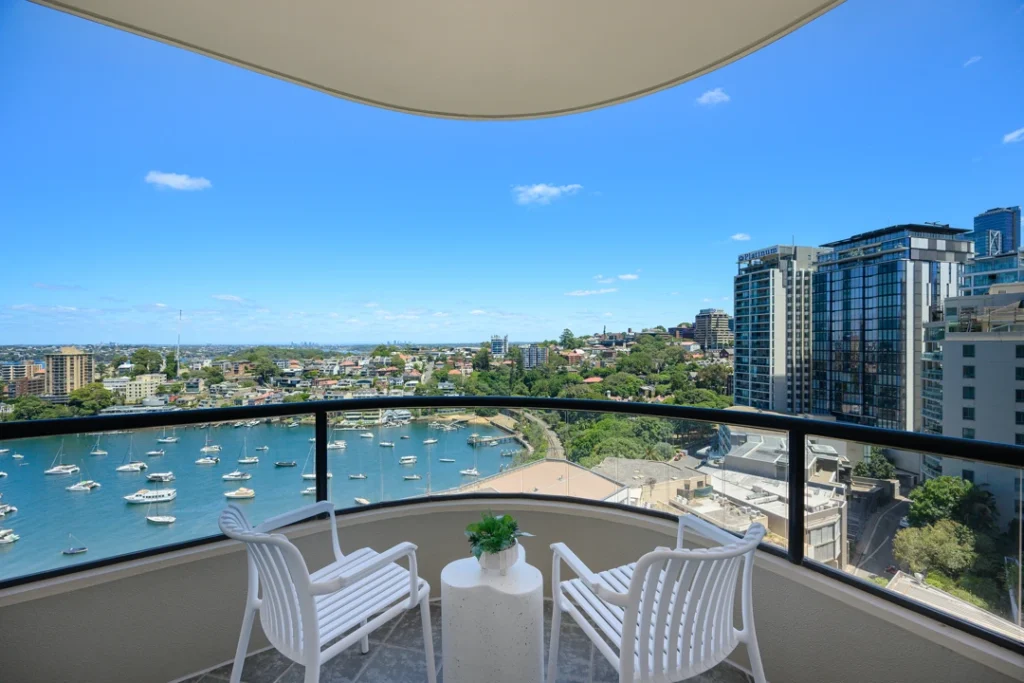
What about synthetic wicker and rattan‑style frames around Sydney?
Natural rattan is best kept indoors, but synthetic resin “wicker” is designed for the elements when paired with a suitable frame. Look for UV‑stabilised resin hand‑woven over an aluminium frame for the lightest maintenance profile. These settings deliver a relaxed, textured look that softens hard surfaces—ideal for covered decks in Drummoyne, Balmain or Petersham.
Pros: gentle sit, forgiving edges, and styles that blend with coastal or cottage architecture. Considerations: the weave can trap dust or jacaranda blossom, so a soft brush and hose helps. In very windy positions, lighter pieces may need securing.
When choosing colour, remember that paler tones show less fading over the years and stay more comfortable to touch on hot days. Deep charcoals look sharp but appreciate shade.
Do outdoor fabric cushions actually last in the Australian sun?
They can when you prioritise materials and habits. Solution‑dyed acrylic and olefin fabrics are widely used outdoors because the colour runs through the fibre (not just on top), improving fade resistance. Quick‑draining foams or layered inserts help after a storm, while zipped covers make cleaning easier.
Practical cushion care in Sydney:
- Give covers a fresh‑water rinse after beach‑day use; salt crystals are abrasive.
- Stand cushions on edge to dry quickly; avoid trapping them under protective covers while damp.
- Store in a ventilated box or inside when long rain spells or holidays are coming.
- Choose lighter colours for cooler seats and slower fade; note they can show marks sooner, so keep a gentle upholstery cleaner on hand.
Remember, “water‑resistant” isn’t the same as “waterproof”. Breathability helps cushions dry and resist mildew; an occasional re‑application of a fabric guard (as per product instructions) can help bead light showers.
What should I choose for common Sydney scenarios?
Here are context‑based picks that balance comfort, durability and care time. These are general suggestions—always match them to your exact exposure and habits.
- Coastal balcony with full exposure: Powder‑coated aluminium frames plus solution‑dyed cushions you can store easily. Add a breathable cover and a small hose nearby. Consider sling seats if you prefer fewer cushions. Explore shape and size options in our outdoor furniture selection.
- Inner West courtyard with part shade: Teak or eucalyptus table with comfortable armchairs, accepting seasonal oiling if you like a warm tone. Pair with a compact bench to maximise seating.
- Covered deck entertaining zone: Resin wicker lounge with an aluminium frame for low maintenance and a welcoming feel. Use lighter weaves to keep touch temperatures pleasant.
- Family patio with frequent meals: Aluminium dining with removable, washable cushion pads. Choose rounded edges for safety and easier cleaning. If you’re mixing indoor and outdoor looks, consider proportions that echo your interior settings before browsing outdoor dining ideas.
- Small apartment terrace: Foldable or stackable aluminium pieces to free up space. A slimline bench can double as a plant stand between barbecues.
Whichever path you take, plan for shade. A simple umbrella or pergola panel does more for long‑term comfort, colour retention and skin safety than any material choice alone.
FAQ
Is aluminium better than timber for a coastal balcony?
For low‑effort durability in salty, fully exposed spots, aluminium generally has the edge: it resists corrosion and needs only rinsing and mild washing. Timber can still be a beautiful choice if you’re happy to clean more often and oil periodically to manage colour and surface feel. In shaded, less windy courtyards, either material can thrive with sensible care.
How often should I oil teak in Sydney?
There’s no single rule. If you prefer a warm timber tone, many households refresh breathable oil once or twice a year, adjusting for sun and exposure. If you like the natural silver patina, simple cleaning is enough—no oil needed. Always follow the specific product’s instructions and test on a discreet area first.
Are light‑coloured cushions cooler and longer‑lasting?
Lighter fabrics usually feel cooler in direct sun and can fade more slowly than very dark tones. The trade‑off is that marks show sooner, so regular, gentle cleaning helps. Regardless of colour, look for solution‑dyed covers and breathable inserts, and store cushions when you won’t be using them for a while.
Editorial note: This article offers general guidance for Australian conditions and does not describe specific Ele Living products. Always confirm current product materials, care instructions and other details with the retailer before purchasing. For inspiration across settings and styles, you can browse outdoor furniture and shortlist pieces that match your exposure and maintenance preferences.